Thermal Loss Prevention
In Vancouver's damp climate, heat loss through window seals and attic hatches accounts for 25% of energy waste. We analyze thermal bridging and provide specific insulation values for local building codes.
Read Technical GuidePractical engineering methods to reduce utility costs and manage household resources in the Pacific Northwest climate. No fluff, just technical data and field-tested solutions for local homeowners.
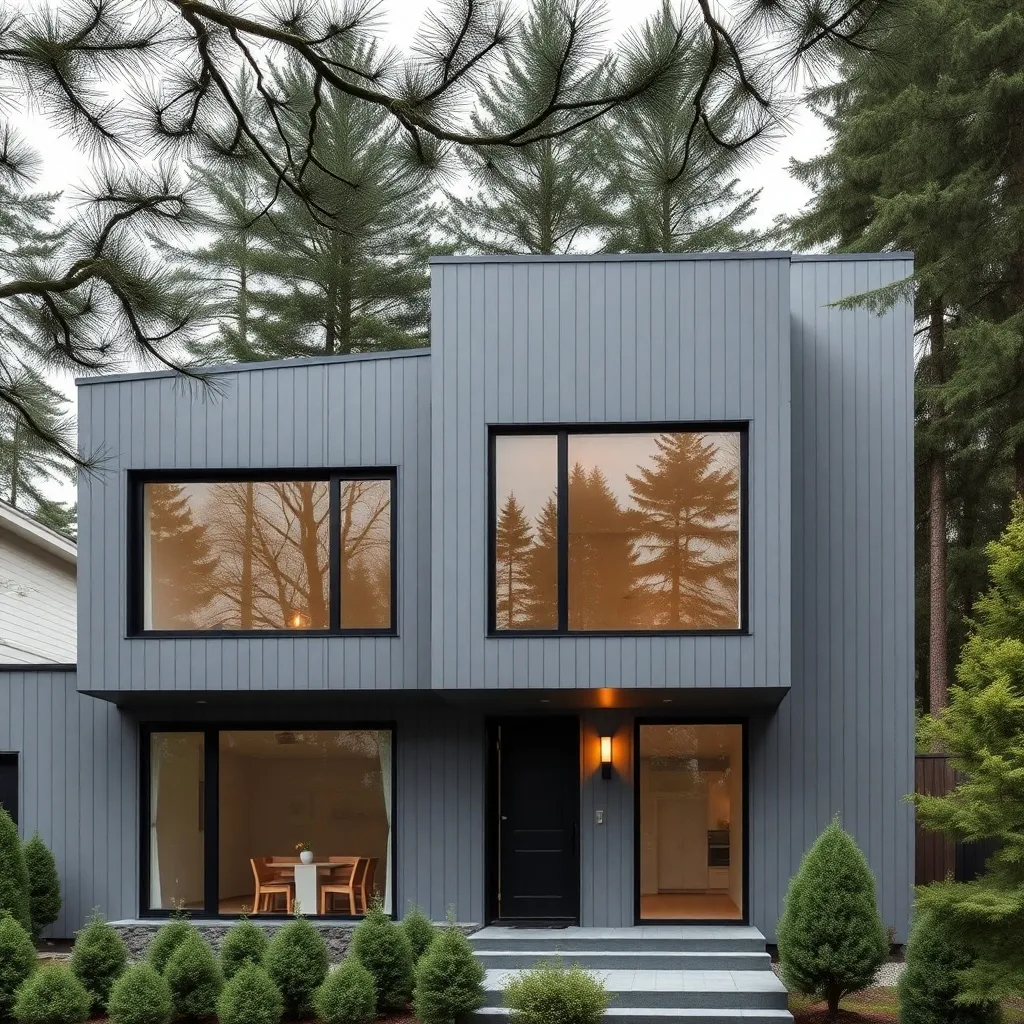
In Vancouver's damp climate, heat loss through window seals and attic hatches accounts for 25% of energy waste. We analyze thermal bridging and provide specific insulation values for local building codes.
Read Technical GuideOptimizing flow rates and detecting silent leaks in high-density residential zones.
View MetricsEssential diagnostic equipment for home resource auditing and DIY repairs.
Tool ListBritish Columbia offers specific rebates for heat pump installations and window upgrades. We track current Vancouver municipal incentives to maximize your ROI on home improvements.
Check RebatesBack in 2018, I remember visiting a friend who lived in a heritage house near Kitsilano. It was one of those typical Vancouver January nights—constant drizzle and a biting wind coming off the water. Despite having the furnace running at full tilt, we were sitting in the living room wearing sweaters. The thermostat said 21 degrees, but the floor felt like an ice rink.
"I'm spending four hundred a month on gas," he told me, pointing at the old single-pane windows that were literally sweating. That was the moment I realized that home efficiency isn't about some high-tech futuristic "smart home" gadgets. It's about basic physics: sealing the envelope, managing the humidity, and understanding where the energy is actually escaping.
We spent the next weekend with a basic thermal camera and a few cans of spray foam. We found a massive gap behind the baseboards where the original builders had left a void in the masonry. A simple fix, costing less than fifty dollars, dropped his next monthly bill by nearly 15%. It wasn't magic; it was just identifying a failure in the system.
"Efficiency isn't about sacrifice; it's about eliminating waste through better engineering."
Since then, I've audited dozens of homes across the Lower Mainland. Whether it's a new condo in Burnaby or a mid-century bungalow in Richmond, the problems are remarkably consistent. People focus on the expensive solar panels or "smart" fridges, but they ignore the dripping faucet or the uninsulated crawl space. This guide is built on those practical, unglamorous truths.
For most local properties, air sealing and attic insulation provide the fastest return. Because our winters are moderate but damp, preventing moisture-laden air from escaping your living space reduces the load on your heating system significantly. You can find more details in our Thermal Loss Prevention guide.
While lighting is only a fraction of your total load, switching a whole house to high-quality LEDs typically reduces the lighting portion of your bill by 75-80%. In a standard three-bedroom home, this equates to roughly $150-$200 in annual savings depending on usage patterns. See our Electricity Bill Reduction page for a full breakdown.
Absolutely. Modern aerated showerheads maintain pressure while using 40% less water. This doesn't just save on the water bill; it drastically reduces the energy required to heat that water, which is often the second largest expense in a Vancouver household.
Download our comprehensive checklist for a DIY household resource audit. Identify the leaks, measure the waste, and start saving on your next utility cycle.