Empirical Data Usage
Every recommendation is based on measured consumption metrics and thermodynamic calculations. We do not rely on generic manufacturer claims, but on real-world performance testing in Vancouver's specific climate conditions.
Detailed insights into the professional journey, the data-driven methodology for resource management, and the logic behind our efficiency systems.
Only essential content — no spam.
Every recommendation is based on measured consumption metrics and thermodynamic calculations. We do not rely on generic manufacturer claims, but on real-world performance testing in Vancouver's specific climate conditions.
Optimization starts at the hardware level. We analyze flow rates, thermal conductivity, and electrical resistance to ensure that household systems operate at their peak physical potential without unnecessary waste.
Our methods extend the operational lifespan of appliances. By reducing thermal stress and mechanical friction, we help homeowners avoid premature equipment failure and the associated high replacement costs.
It was back in 2008 when I first encountered the massive discrepancy between theoretical energy ratings and actual household performance. I was working as a junior site engineer on a residential complex in North Vancouver, and we noticed that two identical units had water heating bills that differed by nearly 40%. The residents were baffled, and so was the management. I spent three weeks monitoring the pipe insulation and thermostat cycles after hours. What I discovered was a simple thermal bridge caused by a poorly installed mounting bracket that was siphoning heat directly into the concrete slab.
"It's just a bracket," my supervisor said at the time, "don't overthink the small stuff." But that small stuff was costing the tenant an extra $45 every month. This realization changed my entire approach to residential maintenance. I began to see a house not as a collection of rooms, but as a complex thermal and hydraulic machine. If one valve is slightly out of calibration or one seal is brittle, the entire system loses its balance. I spent the next decade working across industrial HVAC systems and municipal water treatment plants, gathering the technical expertise needed to dissect these problems.
"In engineering, there is no such thing as 'unexplained loss.' There is only unmeasured data. Once you find the leak—whether it is thermal, electrical, or hydraulic—the solution becomes a matter of simple physics and proper tooling."
By 2015, I had transitioned into private consulting for high-density residential buildings. I saw the same patterns repeating: homeowners buying expensive 'smart' gadgets while their basic insulation was failing or their water pressure was set 20 PSI too high. I remember one client who spent $2,000 on a new energy-efficient fridge but was losing $300 a year because his dryer vent was 60% clogged with lint, forcing the motor to run twice as long. It was clear that people didn't need more gadgets; they needed a fundamental understanding of how to maintain their existing resources.
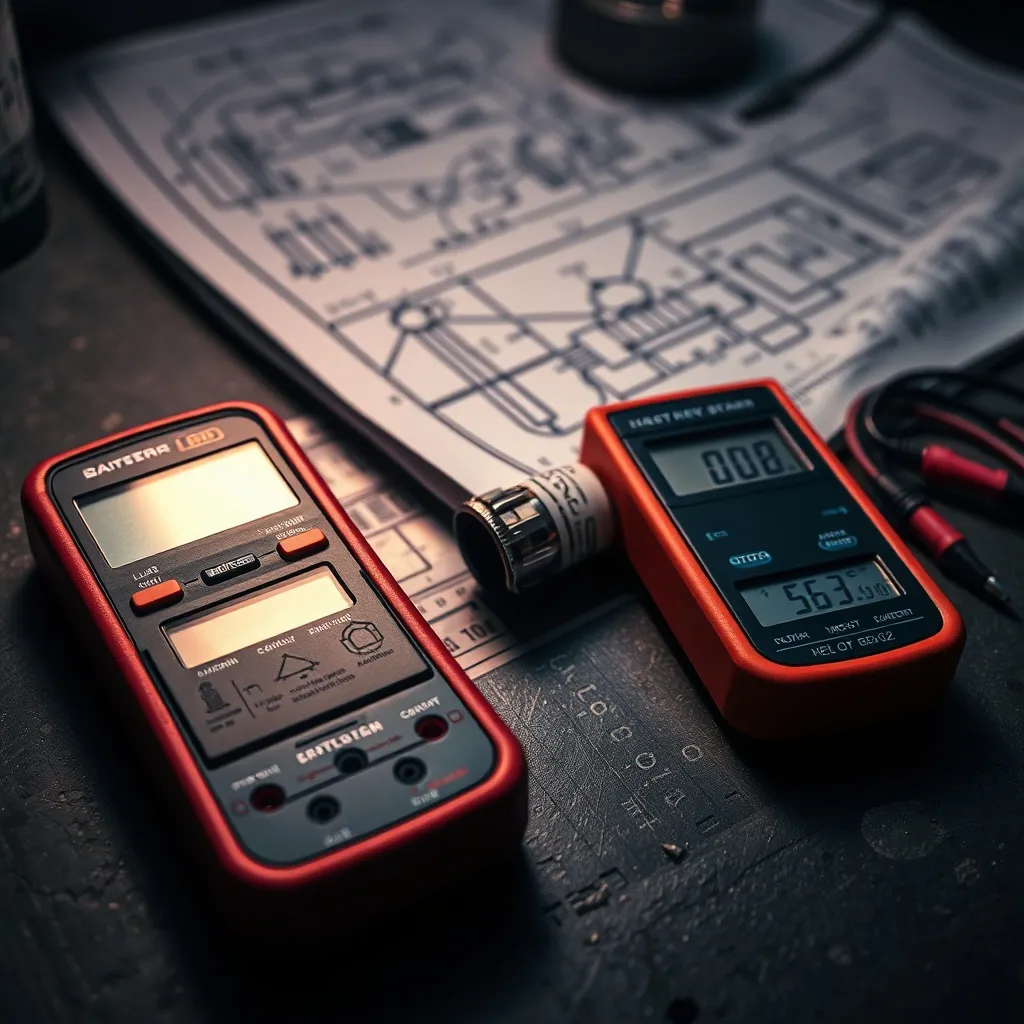
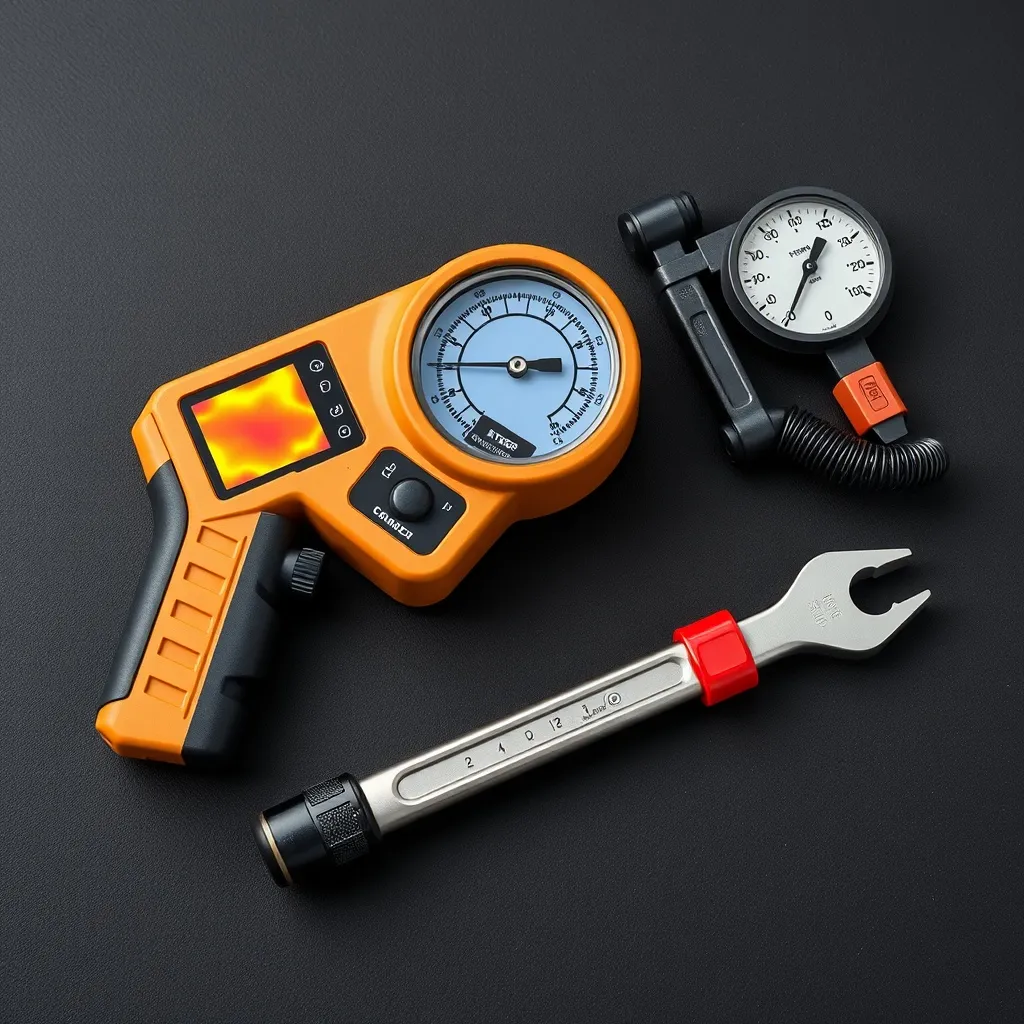
Our approach at Little Dwelling Co is strictly analytical. We follow a four-stage process called the "Resource Integrity Cycle." This isn't about buying new products; it's about verifying the performance of what you already own. We start with the Baseline Measurement, where we use tools like ultrasonic leak detectors and plug-in power meters to find the "phantom loads" that bleed money while you sleep.
The second stage is Mechanical Calibration. This involves adjusting the physical parameters of your home. For instance, lowering your water heater temperature by just 5 degrees or adjusting the tension on a garage door seal can have immediate impacts on your monthly statement. We provide the specific technical steps to do this safely, ensuring you don't void warranties or create safety hazards.
We track success through three primary metrics: Cost per Kilowatt-hour (CpK), Liters per Occupant (LpO), and Thermal Retention Index (TRI). Our goal is a 15-20% improvement across all three within the first 90 days of implementation.
Stop guessing where your money is going. Start measuring, calibrating, and saving with our data-backed guides.