Volume Tracking
We measure the weekly output of non-recyclable waste to identify high-cost disposal patterns and unnecessary packaging overhead.
A technical approach to tracking material flow, reducing disposal costs, and implementing industrial-grade sorting at home.
We measure the weekly output of non-recyclable waste to identify high-cost disposal patterns and unnecessary packaging overhead.
Implementing a multi-stream sorting system ensures that 70% of household materials are diverted from landfills to local processing plants.
Transitioning to high-capacity containers for household essentials reduces unit costs and minimizes single-use plastic accumulation.
I remember back in 2018 when I first started weighing my trash. My neighbor thought I was losing my mind, but I was tired of paying $45 a month for extra bin pickups. I sat down and logged every single item that crossed my threshold for thirty days.
"Why are we throwing away three kilograms of plastic film every week?" I asked my wife. It turned out that buying small portions of groceries was the main culprit. By switching to bulk purchases and tracking the data, we cut our waste volume by 40% in just two months.
Organic waste is 30% of what most people throw away. I installed a dual-chamber tumbler in the backyard to handle nitrogen-rich kitchen scraps. The process is simple: maintain a 3:1 ratio of carbon (browns) to nitrogen (greens).
A friend once told me, "I tried composting, but it just smelled like a swamp." I explained that he likely lacked aeration. Once you get the airflow right, the heat generated by the microbes does all the work, turning waste into high-grade soil for the garden.
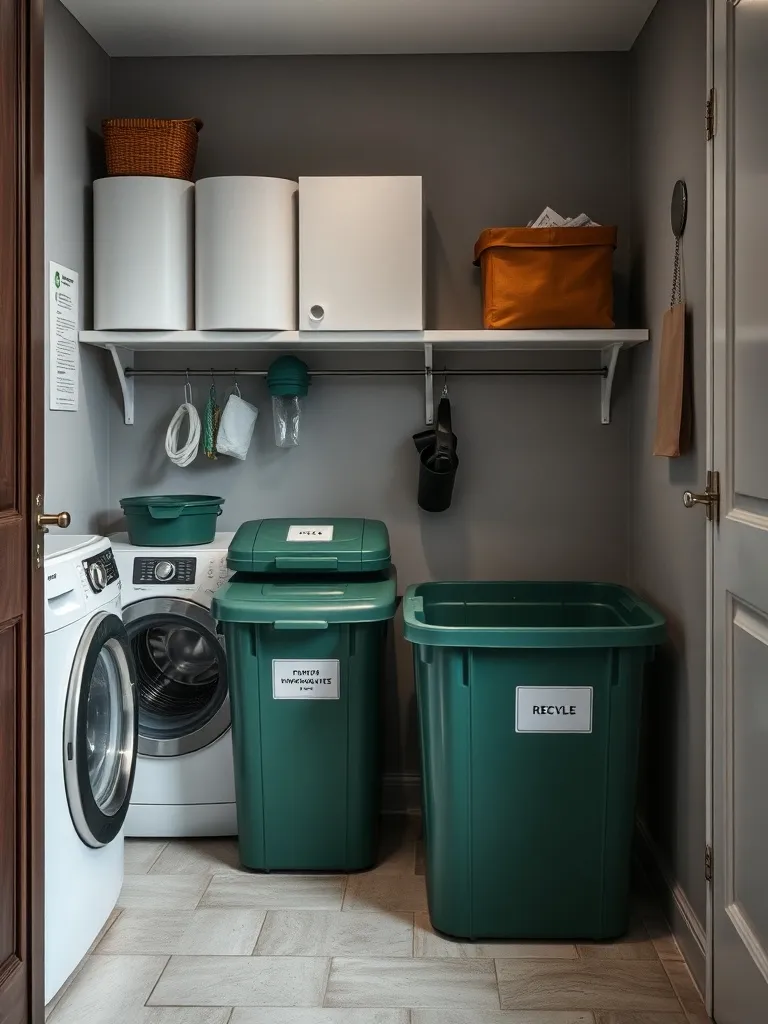
Contamination is the biggest failure point in home recycling. If you put a greasy pizza box in the cardboard bin, the whole batch is ruined. We use a three-bin system: clean fiber, rigid plastics (types 1, 2, and 5), and aluminum.
Every Sunday, I do a quick check of the bins. It takes five minutes. If you want to see how this integrates with your overall utility savings, check our Electricity Bill Reduction Methods for more technical tips on home management.
Logistics isn't just for factories. By purchasing detergents, grains, and oils in 10-20 liter containers, we eliminate dozens of small bottles. It requires a dedicated storage shelf, but the math is undeniable: you save roughly 22% on unit price alone.
It’s about reducing the frequency of the supply chain. Fewer trips to the store means less fuel and less impulse buying. We treat our pantry like a small warehouse, keeping an inventory log to ensure nothing expires before it's used.
Stop guessing where your money goes. Start tracking your household resources with the same precision you’d use for a professional workshop.
Only essential content — no spam.