Convection Control
Eliminating air movement through the building envelope is the first step. Sealing gaps in window frames and door sweeps prevents the "chimney effect" that pulls cold air in.

Stop paying for the street's heating. We analyze technical solutions for sealing the thermal envelope and reducing energy waste in residential buildings.
Eliminating air movement through the building envelope is the first step. Sealing gaps in window frames and door sweeps prevents the "chimney effect" that pulls cold air in.
We focus on increasing the thermal resistance of attic spaces. Proper distribution of mineral wool or cellulose significantly reduces conductive heat transfer through the ceiling.
Understanding where your energy goes is vital. A full household audit reveals hidden leaks in the basement and crawl spaces that standard inspections often miss.
Back in 2018, I visited a client who was spending nearly $400 a month on heating a modest two-bedroom bungalow. The owner had already installed a high-efficiency boiler, but the house remained cold. I remember walking into the living room and feeling a literal breeze near the floor, even though all the windows were shut tight.
"I’ve replaced the furnace twice," the owner told me, "but the heat just disappears." We took a thermal camera to the baseboards and found the culprit: the previous contractor had failed to seal the sill plate where the wooden frame met the concrete foundation. We weren't just losing heat; we were vacuuming cold air directly from the crawl space into the living area.
By spending just $50 on high-expansion spray foam and some weatherstripping, we dropped his monthly bill by 25% instantly. It wasn't about the heater; it was about the envelope. This taught me that the most expensive heating system in the world is useless if your house is essentially a sieve.
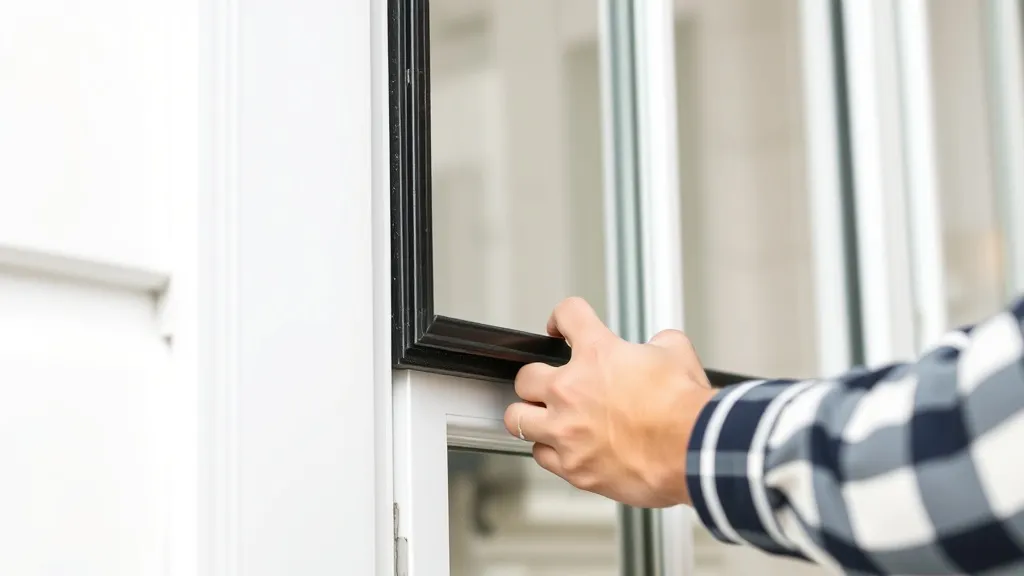
Most heat loss occurs at the transition points. Check your window sashes for "daylight" or visible gaps. If you can slide a piece of paper through a closed window, you are losing significant thermal energy every hour. We recommend using EPDM rubber seals instead of cheap foam tapes, as they maintain elasticity for up to 10 years.
Heat rises, making the attic the most critical zone for insulation. In our region, an R-value of R-49 to R-60 is the standard for maximum efficiency. This usually translates to about 16 to 20 inches of blown-in cellulose or fiberglass batts.
Ensure that your attic vents are not blocked by the insulation. Use baffles at the eaves to maintain airflow for moisture control while keeping the thermal blanket thick over the living spaces. For more on the tools needed for this, see our Essential Maintenance Tools list.
A smart thermostat is only as good as its schedule. Programming a 3-degree drop during sleeping hours or when the house is empty can reduce annual heating costs by 10%. Avoid "yo-yoing" the temperature by more than 5 degrees, as the energy required to bring the thermal mass of the walls back to temperature can negate the savings.
Only essential content — no spam.
Don't let your hard-earned money leak through the walls. Start with a comprehensive resource check to identify your biggest savings opportunities.